Making Missing Middle Pencil: The Math Behind Small-Scale Housing Development
Published On June 21, 2024
This brief examines the financial feasibility of building missing middle housing, such as duplexes, fourplexes, and ten-unit buildings, in California. Using case study pro formas for missing middle housing projects in four different California markets, the authors find that most are not financially feasible under current market conditions. The paper presents findings from interviews with missing middle builders on the unique challenges for this market segment and identifies state and local policy changes that would help to encourage missing middle development.
Authors:
David Garcia, Terner Affiliate
Ian Carlton, MapCraft
Lacy Patterson, MapCraft
Jacob Strawn, MapCraft
Ben Metcalf, Terner Center
Share This Post:
Related Articles
Reducing the Complexity in California’s Affordable Housing Finance System
Authors: Carolina Reid, Faculty Research Advisor Tiffany Tran, Graduate Student Researcher Given the critical need to expand the supply of…

Low-Income Housing Tax Credit Construction Costs: An Analysis of Prevailing Wages
Since its founding, the Terner Center has conducted research to better understand the factors driving the costs of housing development,…

Making It Pencil: the Math Behind Housing Development – 2023 Update
This brief explains the basics of how developers build new housing in California, aiming to serve as a resource for…

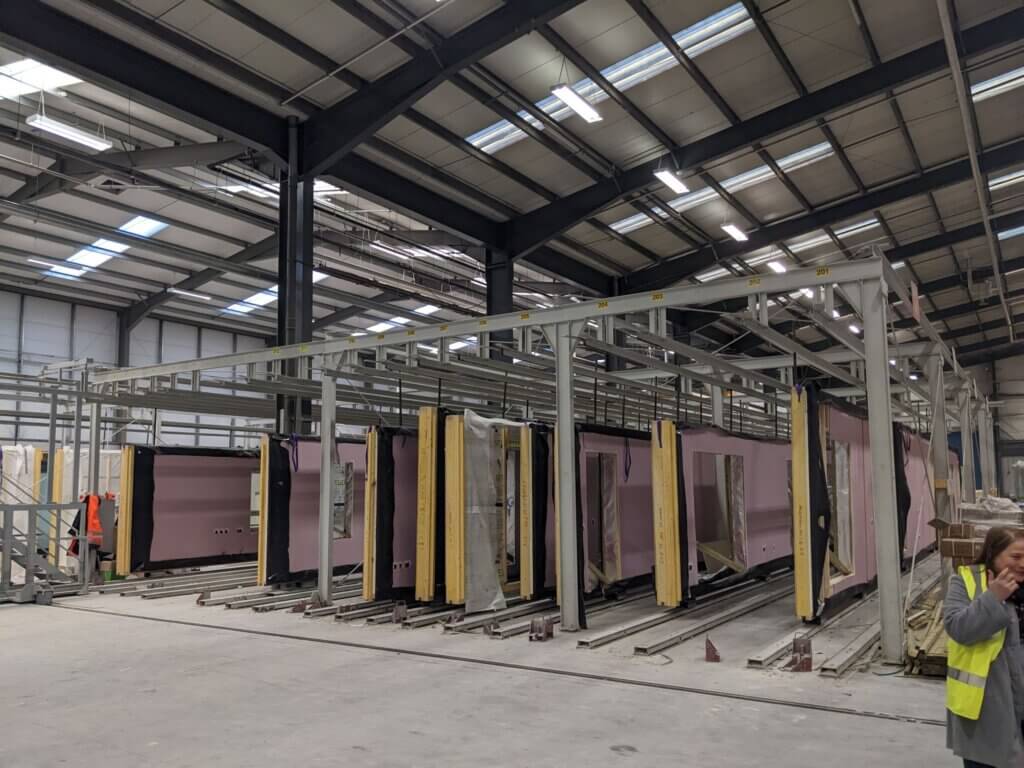
Knowledge Exchange Rates: Industrialized Construction in the United Kingdom
In early December, the Terner Center joined the U.S. delegation of individuals working in academia, government, and the built environment…