
Preserving NOAH as an Anti-Displacement Strategy
Authors: Taesoo Song, Assistant Professor; Virginia Tech School of Public and International Affairs Carolina Reid, Faculty Research Advisor Most lower-income renters in the United States don’t live in subsidized housing. They live in older, privately owned apartment buildings that have lower rents, generally due to either quality or location. This housing stock is often referred to as Naturally Occurring Affordable Housing, or NOAH.[1] NOAH is the largest source of affordable housing in the United States,…
Emerging Constraints on CalAIM-Funded Services in Permanent Supportive Housing
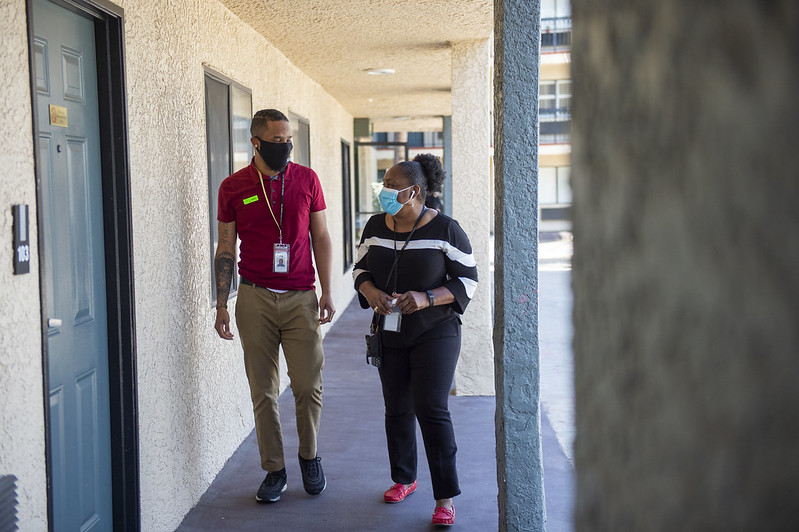
California’s efforts to reduce chronic homelessness depend on permanent supportive housing (PSH) and the services that help residents find and…
Stabilizing Home Insurance and Enhancing Wildfire Resilience for Existing California Homes
Authors: Smitha Buddhavarapu, former Project Policy Analyst Zack Subin, Affiliate California’s home insurance premiums are escalating as climate-linked disasters worsen…
Impact Fee Reforms in California: Recent Trends and Promising Strategies
Development impact fees—fees charged to new housing developments to pay for needed expansions to public infrastructure and services—are higher in…
The Equity Gap in California’s Housing Decarbonization Programs
Authors: Carolina Reid, Faculty Research Advisor, Terner Center Rachel Morello-Frosch, Associate Provost for Energy, Climate, and Environment, UC Berkeley Yael…



The Terner Center's work advances
HOME AFFORDABILITY
SUSTAINABLE NEIGHBORHOODS
INCLUSIVE COMMUNITIES
DATA-DRIVEN SOLUTIONS
HOUSING INNOVATIONS