Assessing the Cost of Impact Fees on Affordable Housing: An Analysis of Low-Income Housing Tax Credit Projects in California
PUBLISHED ON January 22, 2026

Building new affordable housing in California has always been complex, but costs have risen significantly in recent years. This Terner Center research brief looks at a key cost contributor: local impact fees charged to new residential developments to cover the costs new homes will have on municipal facilities and infrastructure. Researchers use LIHTC application data for 2020–2023 to examine the costs of these fees.
Key findings include:
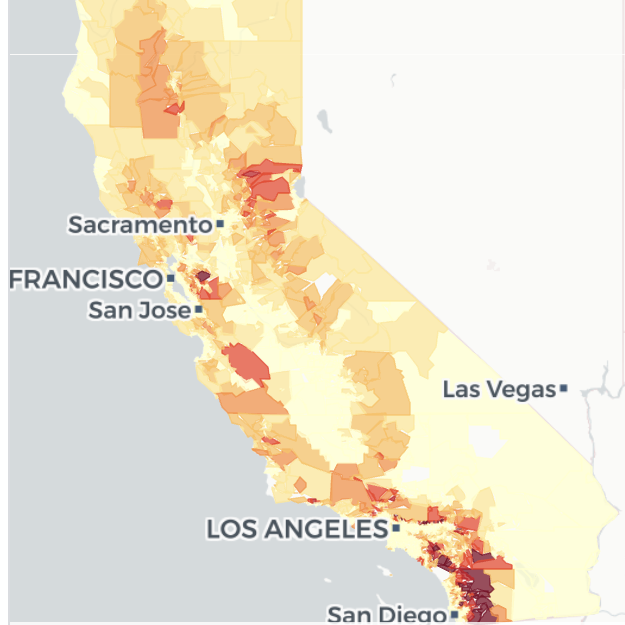
- Of the 691 new LIHTC construction projects, almost all of them included development impact fees, which on average, added almost $20,000 per unit to development costs. However, per-unit fees varied widely, and approximately 13,660 affordable housing units—on 134 projects—were assessed more than $30,000 per unit in fees.
- While on average, impact fees contributed to less than 5 percent of total development costs, over the four-year study period, affordable developments paid an average of approximately $300 million in fees each year.
- Fee waivers, reductions, and deferrals can make a significant difference to project feasibility, lowering costs and reducing the need for additional public funding. In this case, if the fees weren’t charged, the resulting savings could have financed the development of an estimated 1,250 affordable housing units each year, assuming a per-unit subsidy of $200,000.
The brief also outlines key actions the State can take to work with local governments to waive or reduce these fees to get much-need affordable housing built.
RELATED ARTICLES
Stabilizing Home Insurance and Enhancing Wildfire Resilience for Existing California Homes
Authors: Smitha Buddhavarapu, former Project Policy Analyst Zack Subin, Affiliate California’s home insurance premiums are escalating as climate-linked disasters worsen…
Testimony to the Little Hoover Commission on Expanding California’s Housing Supply
On September 24, 2026, Deputy Director of Policy David Garcia testified to the Little Hoover Commission on expanding California’s housing…
Beyond the Chassis: State-Level Opportunities with the New Manufactured Housing Definition from the ROAD to Housing Act
An amendment in the 21st Century ROAD to Housing Act (ROAD) that recently became federal law could have a potentially…
Impact Fee Reforms in California: Recent Trends and Promising Strategies
Development impact fees—fees charged to new housing developments to pay for needed expansions to public infrastructure and services—are higher in…